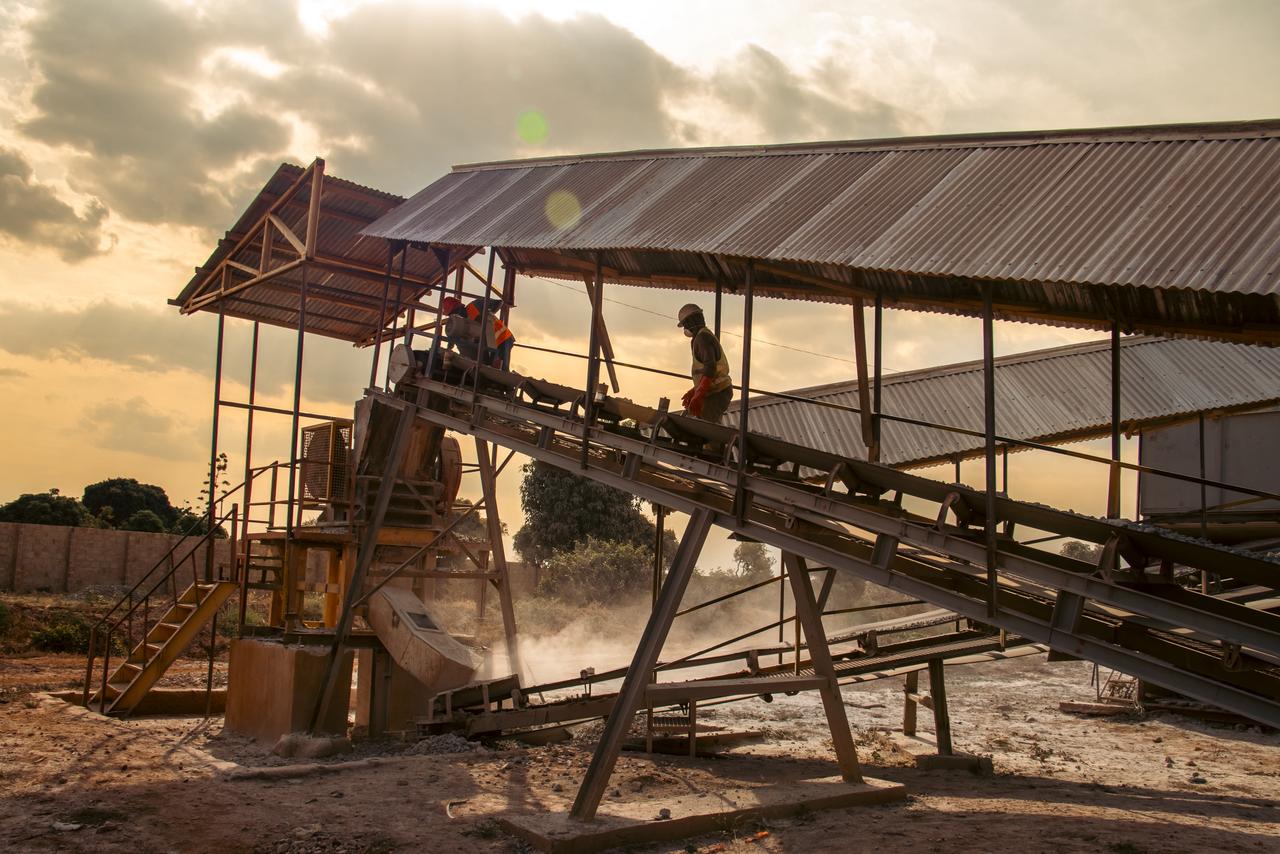
Provenance you can trace.
Map the full chain behind a sourcing opportunity before you commit: where material originates, who handles it, who ultimately benefits.
The evidence you need to accept upstream gold, in the format your auditors expect, kept current rather than reconstructed once a year.
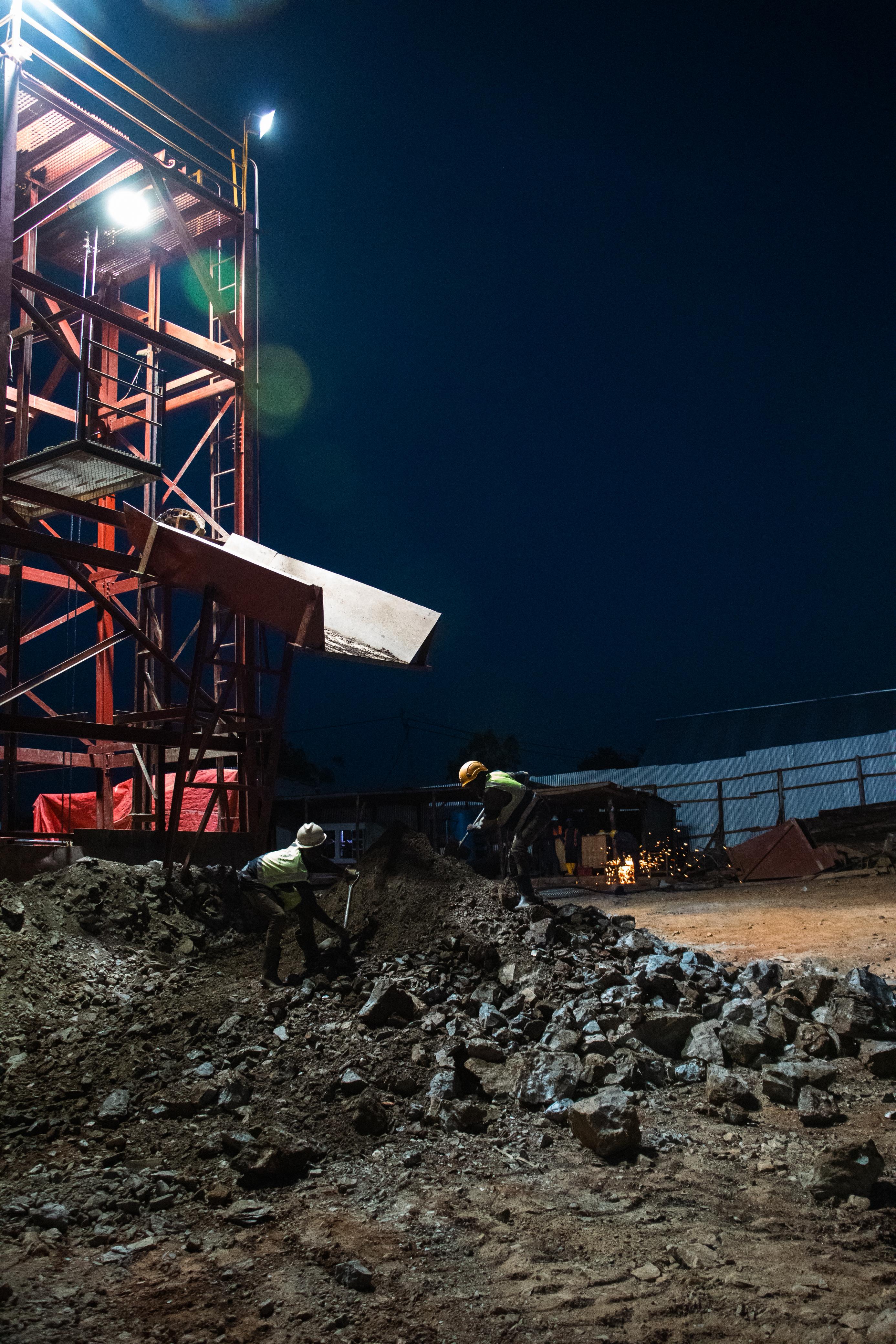
Sourcing artisanal gold has quietly become harder, not easier. As responsible-gold rules tightened, the cost of documenting artisanal supply rose with them, so the industry steps back and declines the gold rather than carry the exposure.
The burden of proof now sits with the buyer. A refiner, a bank or a trader can no longer fall back on not knowing where the metal came from.
The result is a market failure. Legitimate gold is locked out on the strength of its paperwork, and the producers who most need a fair market are the first turned away.
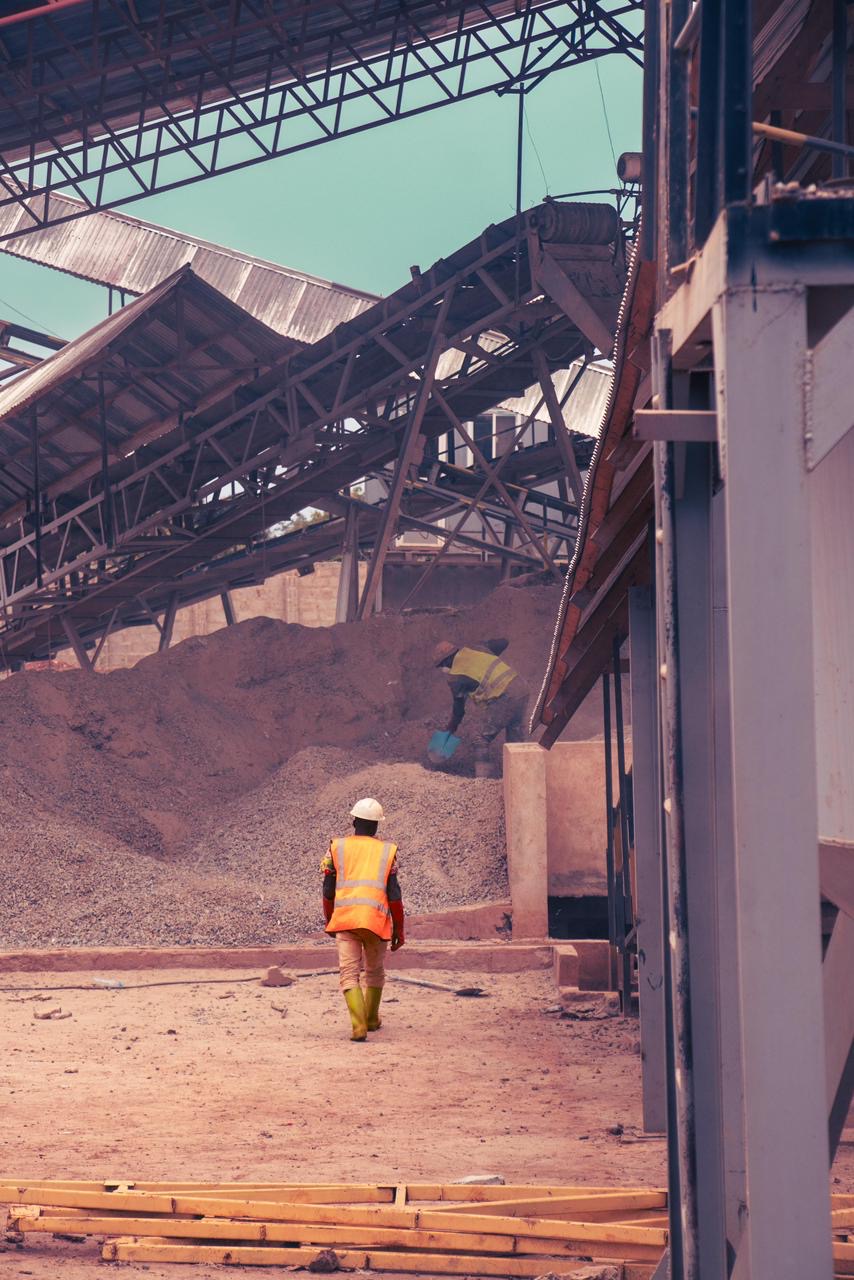
Map the full chain behind a sourcing opportunity before you commit: where material originates, who handles it, who ultimately benefits.
Counterparties and sites scored on clear criteria, gaps flagged as confidence to close, monitoring continuous.
A structured pack per consignment: a defensible base for your due diligence and audit, not a substitute for either.
See the data-backed reasoning behind a WAZI score: continuous evidence, confidence-weighted criteria, and one defensible 0–100 scale for sites, counterparties and whole supply chains.
Explore the methodology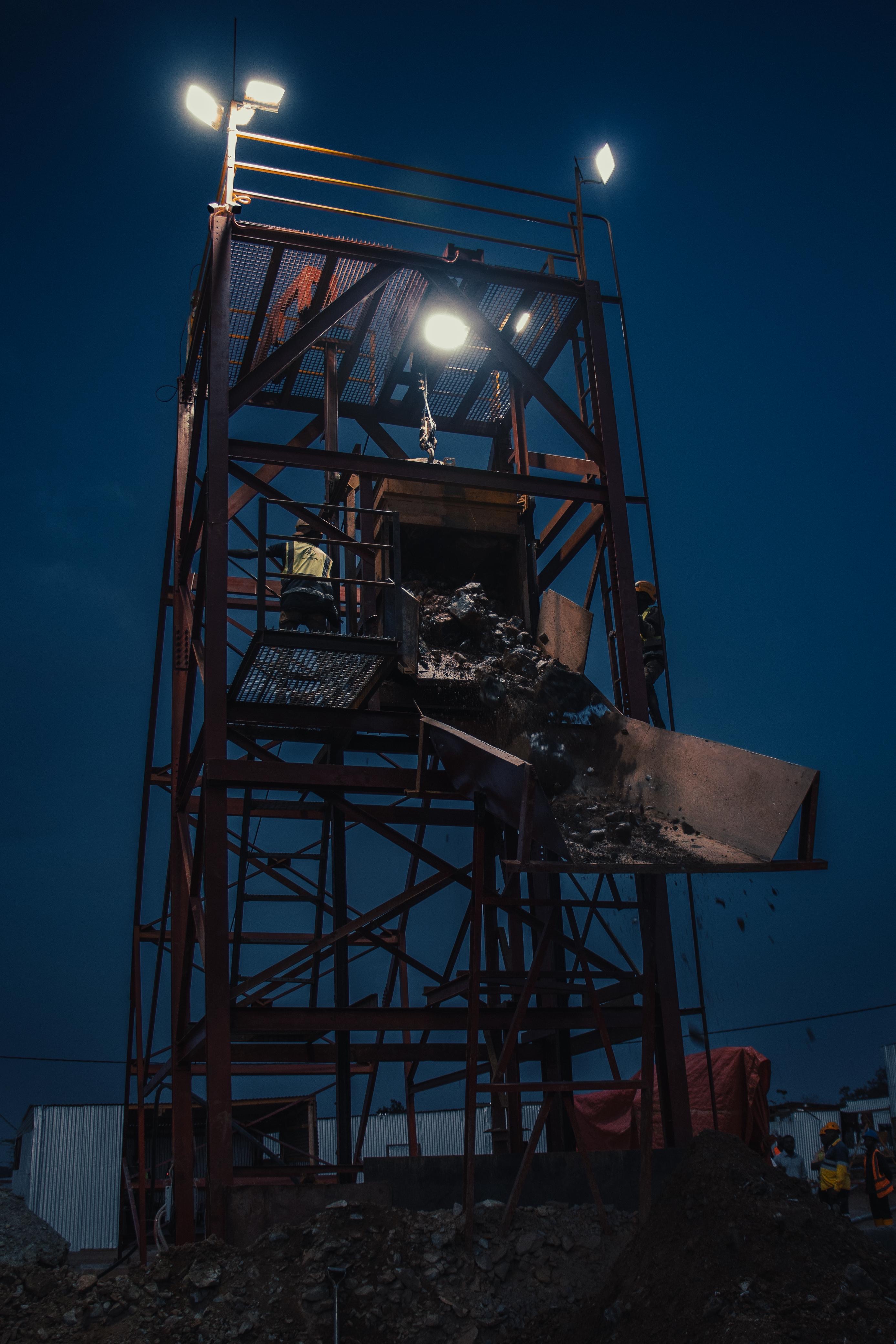
Built around the OECD Due Diligence Guidance five-step framework and aligned to the LBMA Responsible Gold Guidance and RMAP. Continuous evidence shortens each audit cycle and gives auditors a clear base to interrogate.
A live demo walks through a provenance trace, a counterparty grade and a per-shipment evidence pack.
Request a demo